
 By loan instaplayzone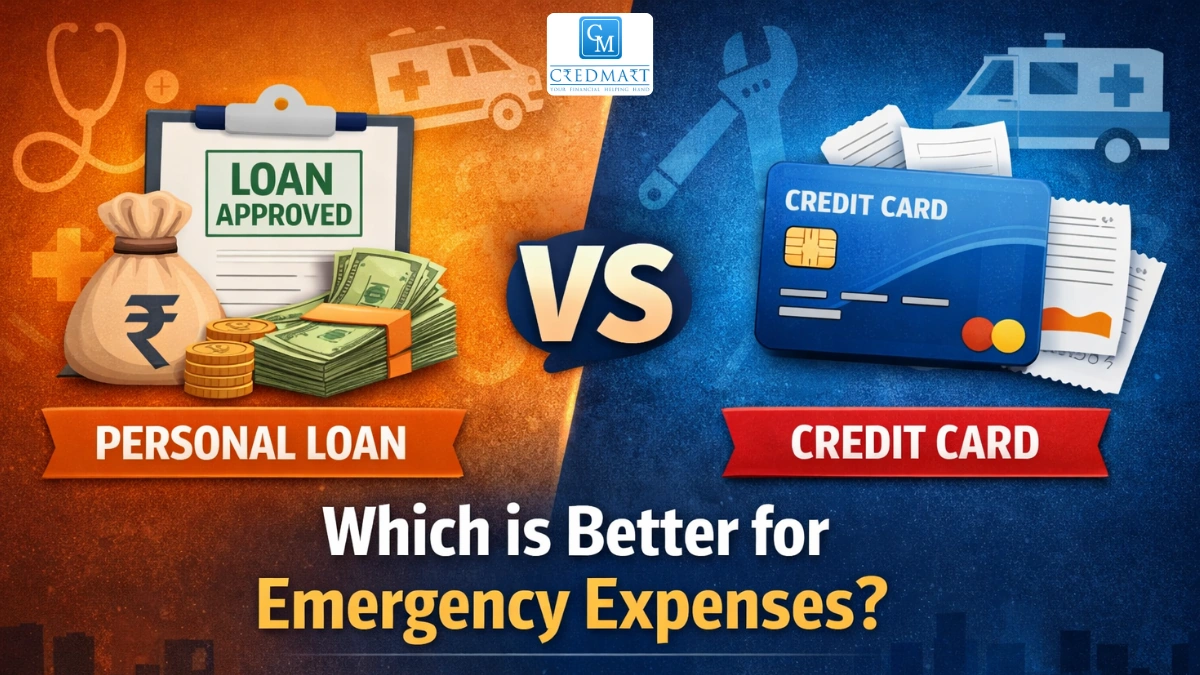
Picture this: It’s a quiet Tuesday evening. You’re finally relaxing after a long day, maybe scrolling through your phone, when suddenly – BAM! An unexpected medical bill lands in your inbox. Or your car breaks down, demanding immediate, expensive repairs. Perhaps a crucial home appliance gives up the ghost, or a family emergency hundreds of miles away calls for an urgent flight. That gut-wrenching feeling? The sudden panic, the immediate calculation of your bank balance, the frantic search for solutions?
We’ve all been there, haven’t we? Life, in its infinite wisdom, loves throwing curveballs precisely when we least expect or can afford them. In these moments of sheer panic, one phrase often echoes in our minds: personal loan for emergency expenses . It sounds like a magic wand, doesn’t it? Instant relief, a quick fix for urgent financial needs. But here’s the thing about magic: sometimes, it comes with a hidden price. As your friendly neighborhood financial analyst, sitting here with a metaphorical cup of chai, I want us to really dig deep into what an emergency personal loan truly means for you in India. Is it really the savior you hope for, or a path you need to navigate with extreme caution?
My goal isn’t just to tell you what a personal loan is (you probably know that much). My aim is to unpack the why , the how , and the often-overlooked emotional rollercoaster that comes with seeking urgent financial help . Let’s unravel this together, so when that curveball comes, you’re not just reacting, you’re responding smartly.
The Sudden Shock | Why Emergency Loans Feel So Appealing

That immediate need for cash can be overwhelming. Whether it’s a sudden job loss, a medical emergency, or an unexpected expense, the clock is ticking, and traditional savings might not be enough or accessible quickly. This is where the allure of a quick cash loan India becomes incredibly strong. Banks and NBFCs (Non-Banking Financial Companies) in India have streamlined the process, promising instant loan approval and disbursal, sometimes within hours. And let me tell you, when you’re facing a crisis, that speed feels like a godsend.
But let’s pause for a moment. What fascinates me about this scenario is the psychological aspect. When stress levels are high, our decision-making can be compromised. We tend to focus on immediate relief, sometimes overlooking the long-term implications. This is precisely why understanding the mechanics and pitfalls of a personal loan for emergency expenses is paramount. It’s not just about getting the money; it’s about getting it responsibly and without digging yourself into a deeper hole.
Many lenders market these as `instant personal loan` solutions, emphasizing speed and minimal paperwork. While this convenience is undeniable, it also means you might not take the time to compare interest rates, understand all the charges, or properly assess your repayment capacity. A common mistake I see people make is jumping at the first offer, purely out of desperation. Remember, even in a crisis, a few hours of research can save you thousands in interest and fees.
Navigating the Maze | How to Secure an Emergency Personal Loan (The Right Way)
Okay, so you’ve assessed your situation, and a personal loan genuinely seems like the most viable option for your urgent cash needs . Now what? The process, while streamlined, still requires a strategic approach. It’s not just about clicking ‘apply’.
1. Self-Assessment | Is This Truly an Emergency?
Before even looking at lenders, ask yourself: Is this expense absolutely critical and unavoidable right now? Can it wait? Do I have any other liquid assets I can tap into (even a small portion of an `emergency fund creation` or selling some non-essential assets)? Being brutally honest here helps you avoid unnecessary debt.
2. Eligibility & Documentation | Your Loan Passport
Lenders typically look for a stable income, good credit score, and minimal existing debt. While some platforms offer `bad credit personal loan` options, they usually come with significantly higher interest rates. Here’s what you’ll generally need:
- Proof of Identity: Aadhar card, PAN card, Passport, Voter ID.
- Proof of Address: Aadhar card, Passport, Utility bills.
- Proof of Income: Salary slips (for salaried individuals), bank statements, ITR (for self-employed).
- Employment Proof: Offer letter, employee ID card.
The better your financial profile, the better your chances of getting favorable terms. Understanding `loan eligibility criteria` before applying can save you time and protect your credit score from multiple rejections.
3. Compare, Compare, Compare | The Golden Rule
This is crucial. Don’t just go to your primary bank. Explore multiple lenders – traditional banks, fintech platforms, and NBFCs. Look beyond just the advertised `interest rates`. Consider:
- Processing Fees: Some can be quite hefty.
- Prepayment Charges: Important if you plan to close the loan early.
- Late Payment Penalties: Understand the repercussions.
- Disbursal Time: How quickly will the funds actually reach your account?
Sites likeinstaplayzone personal loan, or other financial aggregators, can help you compare offers efficiently. It might take an hour or two, but that effort is an investment in your `financial stability`.
4. Understanding the Terms | Read the Fine Print
Before you sign, read every single clause. Understand the EMI schedule, the total cost of the loan (principal + interest + fees), and any hidden conditions. If something isn’t clear, ask. Don’t let the pressure of the emergency rush you into an agreement you don’t fully comprehend. This is where your expertise in handling your finances truly shines.
Beyond the Loan | Building Your Financial Fortress
While a personal loan for emergency expenses can be a crucial safety net, it’s vital to view it as a temporary solution, not a permanent strategy. The real long-term game is building resilience, so you don’t have to rely on high-interest debt repeatedly. This is where concepts like `debt management` and `emergency fund creation` become more than just buzzwords; they become your financial bedrock.
Think about it: every rupee you pay in interest on an emergency cash loan is a rupee that could have gone into your savings, investments, or towards paying off existing debt. This isn’t about shaming; it’s about empowering you to take control. Start small. Even setting aside ₹500 or ₹1000 every month into a dedicated `emergency fund` can build up significantly over time. Aim for 3-6 months’ worth of living expenses as an ideal buffer.
I initially thought this was straightforward, but then I realized how many people get caught in a cycle because they don’t have a robust financial plan in place. For instance, creating a budget and sticking to it is far more powerful than any loan. Knowing exactly where your money goes empowers you to find areas for saving. As the saying goes, ‘A penny saved is a penny earned,’ and in the context of avoiding loan interest, it’s often more than a penny.
FAQs | Your Burning Questions Answered
Frequently Asked Questions About Emergency Personal Loans
Can I get a personal loan for emergency expenses without a good credit score?
It’s challenging but not impossible. Some lenders offer personal loans to individuals with lower credit scores, but usually, the interest rates will be significantly higher to offset the increased risk. You might also need to provide additional collateral or find a co-signer. It’s always best to try and improve your credit score before needing a loan.
How fast can I get an emergency personal loan in India?
Many digital lenders and NBFCs claim `fast loan approval India` and disbursal within 24-48 hours, sometimes even a few hours, especially if you have all your `documents for personal loan` in order and a good credit history. Traditional banks might take a little longer.
What are the typical interest rates for an emergency personal loan?
Interest rates for an `unsecured loan` like a personal loan can vary widely, typically from 10.5% to 24% or even higher, depending on your credit score, income, loan amount, tenure, and the lender. Always compare multiple offers to secure the best rate.
What’s the difference between a personal loan and a credit card cash advance for emergencies?
A personal loan usually offers lower interest rates and a fixed repayment schedule, making it predictable. A credit card cash advance, while instant, often comes with very high interest rates (often charged from day one) and additional fees, making it a very expensive option for emergencies. Generally, a well-researchedpersonal loanis preferable to a cash advance if you have the time to apply.
Can I pre-pay my emergency personal loan?
Most personal loans allow prepayment, but some lenders might charge a prepayment penalty. It’s crucial to check this clause in your loan agreement. If you can prepay, it can significantly reduce your total interest burden and help you achieve `financial stability` faster.
The Bottom Line | Your Empowered Choice
So, what’s the final verdict on a personal loan for emergency expenses ? It’s not inherently good or bad. It’s a powerful financial tool that, when used wisely and as a last resort, can truly be a lifeline during moments of crisis. However, when approached without caution, without comparison, and without understanding the long-term implications, it can quickly become a heavy burden, a descent into a `debt trap`.
My advice? Approach it like a surgeon approaches a critical operation: with precision, knowledge, and a clear understanding of both the immediate fix and the long-term recovery. Understand your needs, compare your options, and always, always read the fine print. And most importantly, let every emergency be a lesson, a catalyst to strengthen your `financial stability` for the future. You deserve that peace of mind, don’t you?