
 By loan instaplayzone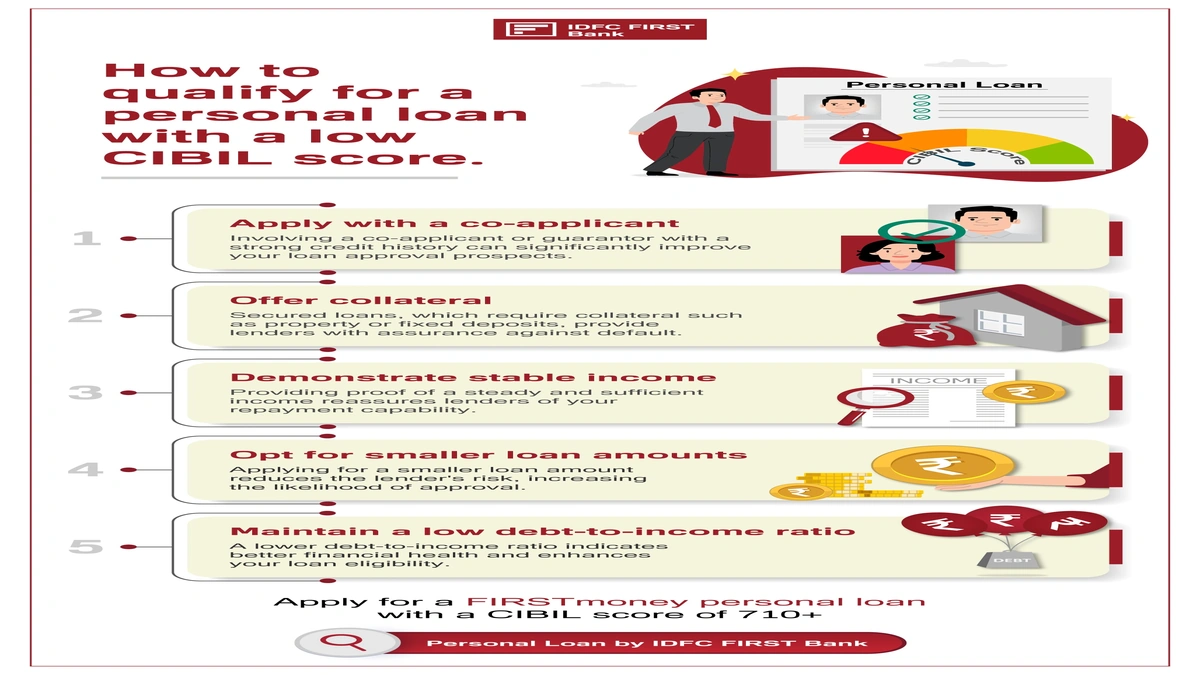
Let’s be honest, the thought of applying for a personal loan can feel a bit like stepping into a mysterious maze. You know you need the funds – maybe for a home renovation, consolidating existing debt, or a much-needed car upgrade – but the whole process of getting approved? That’s where the anxiety often kicks in. What exactly are lenders looking for? Is your financial history good enough? And perhaps the biggest question of all: how do you even perform a reliable personal loan eligibility check UK without impacting your credit score?
I’ve seen firsthand how confusing this can be. Many people jump straight into applications, only to be met with rejections that not only disappoint but can also negatively affect their credit profile. But here’s the thing: understanding what goes into a personal loan eligibility check UK isn’t just about avoiding a ‘no’; it’s about empowering yourself, taking control of your financial narrative, and approaching lenders with confidence. Think of me as your personal guide, illuminating the path through the UK’s lending landscape. We’re going to break down the ‘how’ and ‘why’ behind eligibility, so you can make informed decisions.
The Core Pillars of Your Eligibility | Credit Score & History

When a lender looks at your application, the very first thing they’re likely to scrutinise is your credit score and, more broadly, your credit history. This isn’t just a random number; it’s a three-digit summary of your past financial behaviour, meticulously compiled by credit reference agencies like Experian, Equifax, and TransUnion in the UK. A high score tells lenders you’re a responsible borrower, someone who repays debts on time. A lower score? Well, it might signal a higher risk, leading to higher interest rates or even a rejection.
So, what exactly makes up this crucial score? It’s a cocktail of factors: your payment history (have you missed payments?), your credit utilisation (how much of your available credit are you using?), the length of your credit history (older accounts show more stability), and the types of credit you have (a mix is generally good). What often fascinates me is how many people underestimate the day-to-day impact of seemingly small financial habits on this score. Every bill paid, every credit card statement settled – it all contributes.
Understanding your own credit report is the first, crucial step. You can usually access a free copy from any of the main credit reference agencies. It’s like looking at your financial DNA. For a deeper dive into how credit scores are calculated and what they mean, you might find thisguide from Citizens Advicehelpful – it breaks down the official jargon into plain English.
Beyond the Score | Affordability and Income
While your credit score tells a lender about your past behaviour, it doesn’t paint the full picture of your current ability to repay. That’s where the affordability check for loans UK comes in. Lenders need to be sure that you can comfortably manage the repayments without getting into financial distress. This is a regulatory requirement in the UK, designed to protect both you and the lender.
They’ll look at your income – your salary, any benefits, or other regular earnings – and compare it against your outgoings. This includes your rent/mortgage, utility bills, existing loan repayments, credit card debts, and even typical living expenses. The goal is to calculate your disposable income. A key metric here is your debt-to-income ratio . If too much of your income is already committed to other debts, a lender might worry about your capacity to take on more, even if your credit score is stellar.
Let me rephrase that for clarity: it’s not just about earning a lot; it’s about what’s left after all your essential expenses are covered. Having a stable employment history and a consistent income stream significantly strengthens your position. Self-employed? Don’t worry, lenders understand this, but they’ll likely require more detailed proof of income, like several years of tax returns or business accounts, to assess your financial health .
The Application Journey | Soft vs. Hard Searches
This is where things can get a little tricky, and it’s a point of confusion for many. When you’re trying to check your personal loan eligibility check UK , you’ll often encounter terms like ‘soft search’ and ‘hard search’. Understanding the difference is absolutely vital if you want to protect your credit score.
A soft search (or ‘quotation search’) is like a preliminary peek into your credit file. Lenders use it to give you an indication of whether you’d be approved and what rates you might get, without leaving a visible mark on your credit report for other lenders to see. You’ll often see this when you use eligibility checkers on comparison websites. It’s a fantastic tool because it allows you to shop around and compare options without any risk to your score. I always recommend starting here.
A hard search , on the other hand, is the full, in-depth look at your credit report that happens when you formally apply for a loan. This does leave a footprint on your credit file, and it’s visible to other lenders. Multiple hard searches in a short period can signal to lenders that you’re desperate for credit, which can be a red flag and potentially lower your score. So, the golden rule here is: only proceed with a full application (and thus a hard search) when you’re reasonably confident of approval, ideally after using a soft search eligibility checker.
Boosting Your Chances | How to Improve Personal Loan Eligibility
So, you’ve understood the criteria, but what if your current standing isn’t quite where you’d like it to be? The good news is that your financial situation isn’t set in stone. There are concrete steps you can take to significantly improve your personal loan eligibility over time. This isn’t an overnight fix, but consistent effort pays off.
- Improve Your Credit Score: This is foundational. Make sure all your bill payments (credit cards, utilities, phone contracts) are made on time, every time. Reduce your credit utilisation – try to keep your credit card balances well below 30% of your limit. Consider registering on the electoral roll if you haven’t already, as this helps verify your identity.
- Reduce Existing Debt: The lower your existing debt burden, especially unsecured debt, the better your debt-to-income ratio will look. This shows lenders you have more capacity to take on new repayments.
- Ensure Stable Income & Employment: Lenders love stability. If you’re looking for a loan, try to avoid job changes or significant income fluctuations right before applying. Consistent income demonstrates reliability.
- Build a Savings Buffer: While not directly assessed for a loan, having savings indicates good financial management and can provide a safety net, making lenders more comfortable with your overall financial picture. This principle of financial preparedness is also crucial when considering other financial products, like understanding student loans without collateral in India or even the nuances of car loan down payment requirements in the USA – the underlying assessment of your ability to repay is always key.
Remember, patience is a virtue here. It takes time to build a strong credit profile and demonstrate consistent financial responsibility. But every positive step you take makes a difference.
Common Hurdles and How to Overcome Them (Bad Credit & More)
What if your credit history isn’t perfect? Or you’ve got a limited credit file because you’re new to the UK or haven’t borrowed much before? It’s easy to feel disheartened, but it’s not necessarily the end of the road. While securing a standard personal loan eligibility check UK might be harder with bad credit, there are still options, though they often come with higher interest rates .
Some lenders specialise in bad credit personal loans UK eligibility . These loans are designed for individuals with less-than-perfect credit scores, but they compensate for the increased risk by charging more. It’s crucial to approach these with caution. Always ensure the repayments are genuinely affordable, and never borrow more than you absolutely need. You might also consider a guarantor loan, where a trusted friend or family member co-signs the loan, agreeing to step in if you can’t make repayments.
For those with a ‘thin’ credit file, the challenge is proving your reliability. Strategies here include getting a credit builder credit card and using it responsibly, ensuring you’re on the electoral roll, and making sure all your household bills are in your name and paid on time. It’s about gradually building up that financial footprint. The key is to be realistic about your options and to use any loan, especially one with higher rates, as a stepping stone to improve your credit over time.
Your Burning Questions Answered | FAQs
What documents do I need for a personal loan application in the UK?
Typically, you’ll need proof of identity (passport or driving licence), proof of address (utility bill or bank statement from the last three months), and proof of income (payslips, bank statements, or tax returns if self-employed). Lenders need these to verify your details and assess your affordability.
How long does a personal loan eligibility check UK take?
A soft eligibility check on a comparison site usually provides an instant decision. A full loan application, which involves a hard credit search, can take anywhere from a few minutes to a few days for approval, depending on the lender and how quickly they can verify your details.
Can I get a personal loan with a low credit score?
Yes, it’s possible, but it might be more challenging. You might have fewer options, and the interest rates offered will likely be higher to reflect the increased risk to the lender. Exploring specialist bad credit lenders or guarantor loans could be an option, but always proceed with caution.
Does checking my eligibility affect my credit score?
If you use an eligibility checker that performs a ‘soft search’, it will NOT affect your credit score. Only a full loan application, which involves a ‘hard search’, will leave a visible footprint on your credit file that could temporarily impact your score.
What is a good debt-to-income ratio for a loan?
While there’s no single ‘official’ threshold in the UK, generally, lenders prefer to see a debt-to-income ratio below 36%. This means your total monthly debt payments (excluding mortgage) should ideally be less than 36% of your gross monthly income. The lower, the better!
Navigating the world of personal loans in the UK doesn’t have to be daunting. By understanding the key elements of an eligibility check – your credit score, affordability, and the difference between soft and hard searches – you gain a powerful advantage. You’re not just applying for a loan; you’re taking a strategic step in your financial journey. So go forth, informed and empowered, and find the right financial solution for you. Your future self will thank you.