
 By loan instaplayzone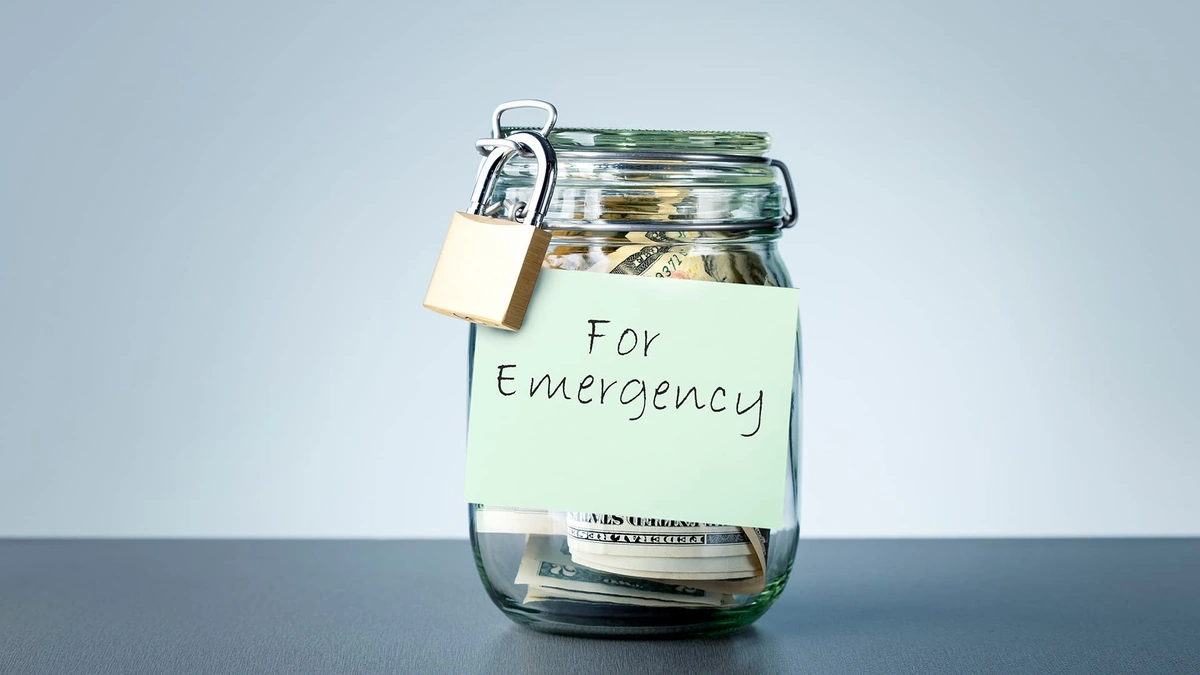
Let’s be honest, life in India is a beautiful, vibrant kaleidoscope of experiences, but it also comes with its own unique brand of unpredictability. One moment you’re enjoying your morning chai, planning your next big adventure, and the next, a sudden medical bill, an unexpected car repair, or even a sudden job loss throws a wrench into everything. And just like that, your carefully laid plans crumble, leaving you scrambling. That moment of panic, that gnawing worry about how you’re going to manage, is something many of us have felt, or will feel. This isn’t just about saving money; it’s about building a robust financial safety net , a personal fortress against life’s curveballs.
I’ve seen firsthand, and experienced personally, how quickly things can change. The conventional wisdom about “saving for a rainy day” often sounds good on paper, but when the clouds actually burst, many find themselves unprepared. Why? Because we often underestimate the sheer scale of unexpected expenses , or worse, we confuse our regular savings with a dedicated emergency fund . Here’s the thing: they are not the same. And understanding this crucial distinction is the first, most vital step toward true financial peace of mind, especially in the Indian context where family support is a blessing, but shouldn’t be your only plan B.
So, how do we navigate this? How do we build an emergency fund that actually works, one that stands strong when everything else feels shaky? This isn’t just theory; this is a practical, step-by-step guide designed specifically for you, the Indian earner, who balances aspirations with responsibilities.
Why Your “Rainy Day Fund” Needs a Reality Check in India

We often hear the term “rainy day fund” bandied about, and it sounds comforting, doesn’t it? But what does a ‘rainy day’ truly look like in India? It could be anything from a sudden health crisis requiring immediate hospitalization (and believe me, medical costs can spiral faster than a kite on Basant Panchami) to an unforeseen repair on your ancestral home, or even a period of job loss that lasts longer than you anticipate. Unlike some Western economies with robust social security nets, in India, you are largely your own safety net. And that’s not a criticism; it’s a reality we must acknowledge and prepare for.
Many people I talk to consider their fixed deposits or even their mutual fund investments as their emergency funds . While these are excellent investment vehicles, they often come with lock-in periods, withdrawal penalties, or market-linked risks. Imagine needing money instantly and finding out your ’emergency fund’ is stuck for another two years, or worse, has lost value due to market fluctuations. That’s not a safety net; that’s a gamble. A true contingency fund , as financial experts often call it, needs to be liquid, easily accessible, and free from market volatility. It’s not about making your money grow; it’s about making sure your money is there when you absolutely need it. This distinct purpose is what sets it apart from your other savings goals, like a down payment for a home or a child’s education.
How Much is Enough? Decoding the Magic Number for Your Emergency Fund

This is arguably the most common question I get: “Okay, I get it, but how much should I actually save?” The short answer, which isn’t very satisfying, is: “It depends.” The longer, more helpful answer involves a bit of self-assessment. General financial advice often suggests 3-6 months’ worth of essential living expenses. In India, I often nudge people towards the higher end of that spectrum, sometimes even 9-12 months, especially if you have dependants, unstable income, or work in a volatile industry. Why so much?
Consider your essential monthly expenses: rent/EMI, utilities, groceries, transportation, insurance premiums, and any essential medical costs. Exclude discretionary spending like dining out, entertainment, or luxury shopping. Tally up this bare-bones number. Now, multiply that by 6, 9, or 12. That’s your target. For instance, if your essential monthly expenses are ₹30,000, then a 6-month fund would be ₹1,80,000. Sounds like a lot, right? It can be daunting, but remember, this isn’t a race; it’s a marathon. The goal is to build this buffer steadily, brick by brick.
I recall a client, Rina, who was initially skeptical about saving so much. She had a stable job. Then, the pandemic hit, and her industry faced severe cutbacks. She was furloughed for 8 months. Her 9-month emergency fund , which felt like an overkill initially, became her lifeline. It covered her household expenses, ensured her child’s online schooling wasn’t interrupted, and gave her the mental space to look for new opportunities without panic. This isn’t just about money; it’s about buying yourself time and peace of mind during a crisis.
Where to Park Your Cash | Balancing Safety, Liquidity, and Accessibility
Alright, so you know why you need it and how much you need. Now, where do you keep this precious fund? This isn’t money for investing for high returns; it’s money for safety. The primary criteria are liquidity (can you get it instantly?) and safety (will its value erode or fluctuate?).
- High-Yield Savings Account: This is my top recommendation for most people. Look for banks offering slightly higher interest rates than standard savings accounts. They are liquid, secure, and your money is readily available. Many digital banks or smaller private banks in India offer competitive rates.
- Liquid Mutual Funds: For those who have a slightly larger corpus and understand mutual funds, liquid funds can be an option. They invest in very short-term market instruments, offering better returns than savings accounts with minimal risk. However, there’s a slight redemption time (usually T+1 day), so it’s not truly instant. I’d suggest this for the portion of your fund exceeding, say, 3 months’ expenses.
- Short-Term Fixed Deposits (with auto-renewal/sweep-in facility): Some banks offer fixed deposits that are linked to your savings account, automatically breaking if your savings account balance falls below a certain threshold. This gives you slightly better interest rates than a regular savings account while maintaining liquidity. Just ensure there are no pre-closure penalties that would defeat the purpose.
What you should generally avoid for your core emergency fund: equity mutual funds, real estate, gold (unless easily liquidable and not your only asset), or any investment with significant lock-in periods or market risk. Remember, the goal here is preservation and immediate access, not wealth creation. For your other financial needs, like expanding your business or buying a new car, you might consider exploring options like a personal loan or a general loan , but the emergency fund is sacrosanct.
Building Your Fund, Step-by-Step | A Practical Guide for Indians
Building a substantial emergency fund can seem like climbing Mount Everest, but like any great climb, it begins with a single step. Here’s a pragmatic approach:
- Automate Your Savings: The easiest way to save is not to think about it. Set up an automatic transfer from your salary account to your dedicated emergency fund account every month, just after you get paid. Even if it’s just ₹1,000 to start, consistency is key. Gradually increase this amount as your income grows or expenses reduce.
- Cut Unnecessary Expenses: Take a hawk-eye view of your budget. Where can you trim fat? That daily barista coffee, those frequent online food orders, or subscriptions you barely use. Reallocating even a small portion of these savings can make a big difference over time.
- Utilize Windfalls: Bonuses, tax refunds, unexpected gifts – instead of immediately spending them, divert a significant portion (or all!) to your contingency fund. These lump sums can accelerate your goal significantly.
- Side Hustle or Skill Monetization: If you have extra time or a marketable skill, consider a side hustle. The extra income can be exclusively channeled into your emergency savings, drastically reducing the time it takes to reach your target.
It’s important to differentiate this systematic saving for emergencies from your overall financial planning . Your emergency fund is the base layer, the foundation upon which all other financial goals rest. Without it, any market downturn or personal crisis can derail your entire financial future. According to a recent survey by CRISIL, a significant portion of Indian households remain vulnerable to financial shocks, underscoring the urgent need for a robust safety net.
The Art of Not Touching It | Rules of Engagement for Your Safety Net
Once you’ve built your emergency fund , the next challenge is to not touch it for non-emergencies. This sounds simple, but trust me, the temptation can be immense. That new smartphone you covet, an irresistible sale, or even a friend’s destination wedding can feel like an ’emergency’ in the moment. Here’s how to safeguard your fund:
- Define “Emergency”: Be crystal clear. An emergency is a sudden, unforeseen, and unavoidable expense that is critical for your survival or well-being. Think medical emergencies, urgent home repairs, sudden job loss, or a critical vehicle breakdown. A new gadget, a vacation, or a fancy dinner are NOT emergencies.
- Keep it Slightly Inconvenient: Don’t keep your emergency fund in the same account as your daily spending money. A separate bank account, maybe even at a different bank, can create a psychological barrier that makes impulsive withdrawals harder.
- Replenish Immediately: If you do have to use your emergency fund for a genuine crisis, make it your absolute top financial priority to replenish it as quickly as possible. Treat it like a debt you owe yourself, because it is.
Remember, this fund is your shield, not your piggy bank for wants. It provides mental peace, allowing you to sleep soundly knowing you’re prepared for whatever life throws your way. It allows you to say no to high-interest loans during a crisis, maintaining your financial independence and dignity. That’s a powerful feeling, especially in a country where financial stability can directly impact your family’s future.
Frequently Asked Questions About Emergency Funds
Emergency Fund FAQs
What’s the difference between savings and an emergency fund?
Savings are for planned goals (e.g., down payment, vacation, retirement), while an emergency fund is specifically for unforeseen, urgent crises like medical emergencies, job loss, or critical home repairs. The key difference lies in purpose and accessibility; emergency funds need to be immediately available and liquid.
Can I invest my emergency fund for higher returns?
Generally, no. The primary goal of an emergency fund is safety and liquidity, not high returns. Investing it in volatile assets like stocks or long-term FDs risks its value or accessibility when you need it most. Stick to high-yield savings accounts or liquid mutual funds.
What if I can’t save 6-9 months of expenses right away?
Start small! Even saving ₹500 or ₹1,000 consistently each month is better than nothing. The goal is to build momentum. Aim for a mini-fund of 1 month’s expenses first, then gradually work your way up. Consistency and automation are your best friends here.
Should I pay off debt before building an emergency fund?
This is a tricky one. For high-interest debt (like credit card debt or some gold loan ), it’s often wise to pay that down first while simultaneously building a small starter emergency fund (e.g., 1 month’s expenses). Once the high-interest debt is gone, focus intensely on fully funding your emergency buffer before tackling other lower-interest debts.
Is it okay to use my emergency fund for a non-emergency if I can quickly replace it?
It’s generally not advisable. Using it for a non-emergency sets a dangerous precedent and blurs the lines of its true purpose. Once used, it loses its effectiveness as a safety net until fully replenished. Try to find other ways to fund non-emergency needs.
How often should I review my emergency fund?
It’s a good idea to review your emergency fund at least once a year, or whenever there’s a significant life change (e.g., job change, marriage, new baby, increase in expenses). Your essential living costs can change, so your target fund size might need adjustment.
Building an emergency fund isn’t just a financial chore; it’s an act of self-care and responsibility. It’s about protecting yourself and your loved ones from life’s inevitable storms. It’s about empowering you to make calm, rational decisions during a crisis, rather than panic-driven ones. So, take that first step today. Start building your financial fortress. Your future self, and your peace of mind, will thank you for it.