
 By loan instaplayzone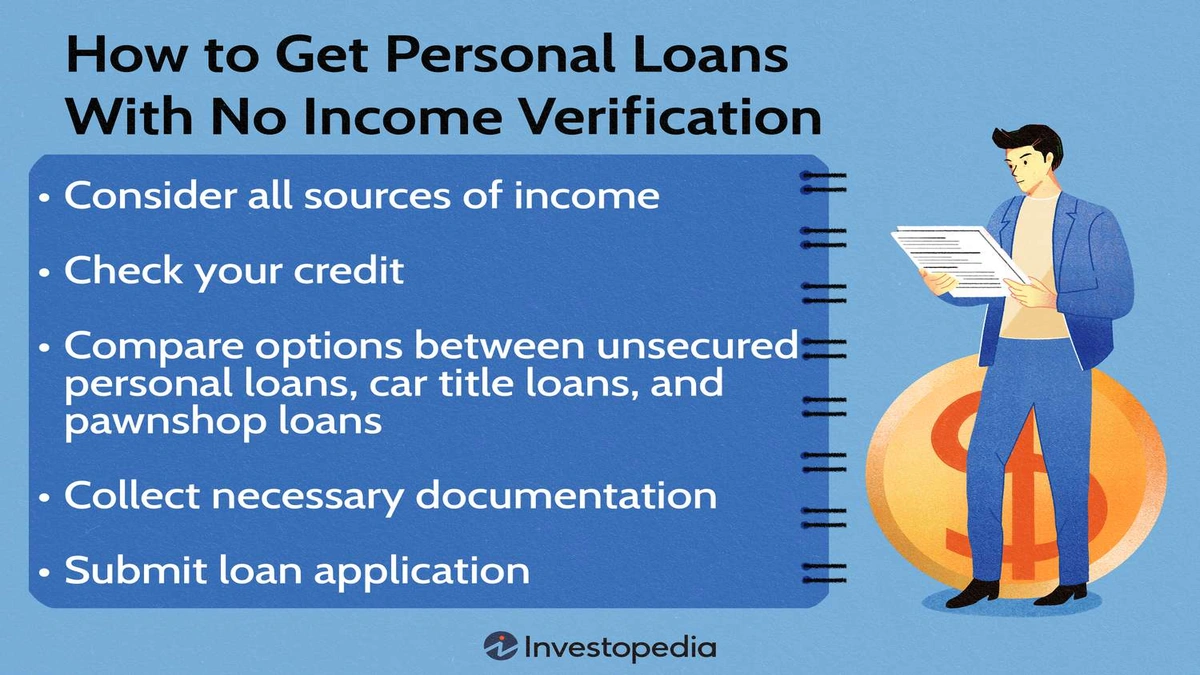
Ever dreamt of owning a home in the USA, but then hit a brick wall when you thought about traditional income verification? Maybe you’re a successful freelancer, a savvy business owner, or someone whose income just doesn’t fit neatly into a W2 box. The idea of getting a home loan approval without income proof USA can feel like chasing a phantom, right?
Here’s the thing: while it’s certainly not as straightforward as a conventional mortgage, the dream isn’t dead. In fact, it’s very much alive for those who know where to look and, more importantly, how to present their financial story. I’ve seen countless individuals, just like you, navigate this complex landscape. My goal here isn’t just to tell you it’s possible, but to walk you through the exact pathways, the hidden gems, and the crucial steps to make that American homeownership dream a reality, even if your income stream looks a little… unconventional.
Let’s be honest, the traditional mortgage world is built for W2 employees. Pay stubs, tax returns, employment letters it’s all about predictable, verifiable income. But what if your income is predictable, just not in the way a standard lender expects? What if you’re a high-net-worth individual with diverse assets, or a flourishing small business owner whose personal income is tied up in your enterprise? This is where the “no income proof” myth gets busted. We’re not talking about getting a free pass; we’re talking about proving your financial strength through alternative means. It’s about finding the right key for a different kind of lock.
The Traditional Hurdle | Why “No Income Proof” is a Puzzle (and How to Solve It)
When you walk into a traditional bank asking for a mortgage, their primary concern is risk. They want to be absolutely sure you can repay the loan. For most people, a W2 form, tax returns, and pay stubs provide that crystal-clear picture of consistent earnings. This standard process is called income verification , and it’s the bedrock of conventional lending.
But for the self-employed, entrepreneurs, or those with significant passive income, this system often falls short. Your actual take-home pay might be lower on paper due to smart tax deductions, or your income might fluctuate seasonally. This doesn’t mean you’re less creditworthy; it just means you don’t fit the mold. And this, my friends, is precisely why the concept of a home loan approval without income proof USA needs a different approach. It’s not about hiding income; it’s about showcasing your financial stability through a lens that traditional lenders often ignore.
What fascinates me about this niche is how the market has adapted. Lenders, recognizing a significant segment of financially robust individuals being underserved, have created specialized products. These aren’t shady back-alley deals; they are legitimate, regulated loan programs designed for unique financial profiles. Understanding why traditional methods don’t work for you is the first step to finding a solution that does.
Unlocking the Vault | Alternative Mortgage Options for You
Alright, let’s get to the good stuff. If you’re a savvy investor, a thriving entrepreneur, or someone with substantial assets but no W2, you’re not out of luck. There are several powerful alternative mortgage options designed specifically for your situation. These are often referred to as Non-Qualified Mortgages, or non-QM loans .
Bank Statement Loans | Your Business is Your Paycheck
Perhaps the most popular option for the self-employed, bank statement loans allow you to qualify based on your business or personal bank deposits, rather than traditional tax returns. Lenders will typically review 12 to 24 months of bank statements to determine your average monthly income. They look at your cash flow, not your net taxable income. This is a game-changer for many small business owners whose tax returns might show lower income due due to write-offs, even though their cash flow is robust. It’s a fantastic way to secure a self-employed mortgage USA without the W2 headache. For example, if your business deposits $20,000 a month consistently, a lender might qualify you based on a percentage of that, giving you significant borrowing power.
Asset-Based Lending | Let Your Wealth Work for You
Got a hefty portfolio of stocks, bonds, mutual funds, or even retirement accounts? Then asset-based lending might be your golden ticket. With this approach, lenders assess your liquid and semi-liquid assets to determine your ability to repay the loan. They might ‘impute’ an income from your assets (e.g., assuming a 3-5% annual return on your portfolio) or simply use the assets as collateral and proof of wealth. This is particularly useful for high-net-worth individuals who might not have a traditional job but possess significant wealth. It’s a powerful way of qualifying for a mortgage without traditional income verification , leveraging what you have rather than what you earn conventionally.
Stated Income Loans (with a Modern Twist)
Now, a quick historical note: the original “stated income” loans got a bad rap before the 2008 financial crisis because they often required very little verification. Today’s versions are much more responsible. While you might “state” your income, lenders will still verify your ability to repay through other means, often combined with bank statement or asset-based approaches. It’s not a free pass, but a recognition that your financial picture is unique. It’s less about a true “no verification” and more about flexible verification methods. To understand the evolution of these types of loans, it’s helpful to delve into their history on sites like Investopedia , which clarifies the distinctions between past and present practices.
These specialized programs truly open up the door to homeownership. And if you’re looking to optimize other financial avenues, understanding how to manage your existing debts can be just as crucial. For example, learning how to refinance a car loan USA can free up cash flow, making your overall financial profile even stronger for a home loan.
Navigating the Nuances | What Lenders Really Look For
Just because you’re not showing W2s doesn’t mean lenders aren’t scrutinizing your financial health. Oh no, quite the opposite! They’ll be looking for other indicators of reliability and capacity to repay. Think of it as a different kind of financial detective work.
Your Credit Score | The Unsung Hero
This is non-negotiable. A strong credit score (generally 680+, often 700+ for non-QM) is absolutely critical. It tells lenders you’re responsible with debt, even if your income stream is unconventional. It’s your financial report card, and it speaks volumes about your trustworthiness.
Down Payment | Expect to Dig Deeper
For a mortgage without W2 or traditional income proof, expect to put down a larger down payment. While conventional loans might allow as little as 3-5% down, non-QM loans often require 10-20%, sometimes even more. This reduces the lender’s risk and shows your serious commitment to the property investment . It’s a significant factor in your home loan approval without income proof USA journey.
Cash Reserves | Your Financial Safety Net
Lenders will want to see that you have ample cash reserves after your down payment and closing costs. This means several months (often 6-12) of mortgage payments stashed away. It acts as a buffer against any unexpected dips in your business income or market fluctuations, reassuring the lender of your long-term stability.
Business Stability (for the Self-Employed)
If you’re using bank statements, lenders will assess the stability and nature of your business. How long has it been operating? Is it in a volatile industry? Consistent deposits, even if varying in amount, are key. They want to see a history of steady operation, not just a sudden influx of cash.
Your Step-by-Step Playbook | Getting Your Home Loan Approval Without Income Proof USA
Ready to turn this knowledge into action? Here’s a practical, step-by-step guide to help you navigate the process:
Step 1 | Assess Your Financial Situation with Brutal Honesty
Before you even talk to a lender, sit down and get a clear picture of your finances. How much can you realistically afford for a down payment? How much in liquid assets do you have? What does your credit score look like? Gather 12-24 months of personal and business bank statements. Understand your average monthly deposits, your expenses, and your overall cash flow. This self-assessment is crucial; it helps you identify which type of non-QM loan might be best for you.
Step 2 | Research Specialized Lenders (They’re Out There!)
Don’t just walk into your local big bank. Many conventional lenders don’t offer these niche products. You need to seek out lenders, brokers, or mortgage companies that specialize in non-QM loans , bank statement loans, or asset-based lending . Online research, forums, and recommendations can be incredibly helpful here. Look for those who proudly advertise “self-employed mortgage” or “alternative income” programs. These are the experts who understand your unique financial story.
Step 3 | Prepare Your Documentation Meticulously
This is where your hard work pays off. Depending on the loan type, you’ll need:
- 12-24 months of personal and/or business bank statements.
- Statements for all liquid assets (investment accounts, savings).
- A strong credit report.
- Proof of business registration and longevity (for self-employed).
- A detailed explanation of your income sources and business model.
The more organized and complete your documentation, the smoother the process will be. Remember, you’re building a case, and every piece of paper is evidence of your financial capability. It’s about showing, not just stating, your financial health.
Step 4 | Work with a Knowledgeable Mortgage Broker
This is arguably the most important step. A good mortgage broker who specializes in these types of loans can be an invaluable ally. They have access to multiple lenders and can match your specific financial profile with the right program. They understand the nuances of each lender’s requirements and can help you package your application in the most favorable light. Think of them as your personal guide through the maze of alternative mortgage options . Their expertise can save you time, frustration, and potentially secure you a better rate. Navigating complex financial products, whether it’s for personal home loans or even something like SME financing India guide , always benefits from expert guidance.
FAQs | Your Burning Questions Answered
What if my bank statements show fluctuating income?
Lenders understand that self-employed income can fluctuate. They typically look at an average over 12-24 months. Consistency in deposits, even if amounts vary, is more important than perfectly even monthly figures. They’re looking for a pattern of robust cash flow, not necessarily a flat line.
Are interest rates higher for non-QM loans?
Generally, yes. Because these loans carry a slightly higher risk for lenders (due to the non-traditional income verification), the interest rates can be anywhere from 0.5% to 2% higher than conventional mortgages. However, this is the cost of flexibility, and for many, it’s a worthwhile trade-off for securing a loan they otherwise couldn’t get.
Can I get a home loan if I just started my business?
This is tougher. Most lenders for non-QM products prefer to see at least two years of self-employment history, evidenced by bank statements. Some might consider 12 months with a very strong down payment and reserves, but it’s less common. Seasoning of your business is a key factor in proving stability.
Do I need perfect credit for a bank statement loan?
While “perfect” credit isn’t strictly necessary, a strong credit score (typically 680-700+) is highly advantageous. It signals to lenders that despite your non-traditional income, you are a responsible borrower. Lower scores might be accepted with higher down payments or interest rates.
So, there you have it. The path to home loan approval without income proof USA is not a myth; it’s a meticulously crafted journey that requires understanding, preparation, and the right guides. It’s about reframing your financial story for a system that’s finally learning to listen. Your dream home in the USA isn’t just for W2 earners it’s for financially sound individuals like you, ready to seize the opportunity. Now go forth and make that dream a reality!