
 By loan instaplayzone
Let’s be honest, we’ve all been there. That moment when an unexpected expense hits – a medical emergency, a sudden home repair, or even just a crucial investment in your future – and you realize your bank balance isn’t quite ready for it. For many in India, especially those with what traditional lenders term a low income , the idea of securing a personal loan can feel like navigating a maze blindfolded. It’s frustrating, right? You need a little help, but the system often seems designed for those who already have plenty. But here’s the thing: it’s not impossible. In fact, there are smart, actionable strategies you can employ. I’ve seen countless individuals in similar situations successfully secure the funds they needed, and I’m here to guide you through the process, step-by-step, just like a friend would over a cup of chai.
Understanding the Challenge | Why Low Income Makes Loans Tricky
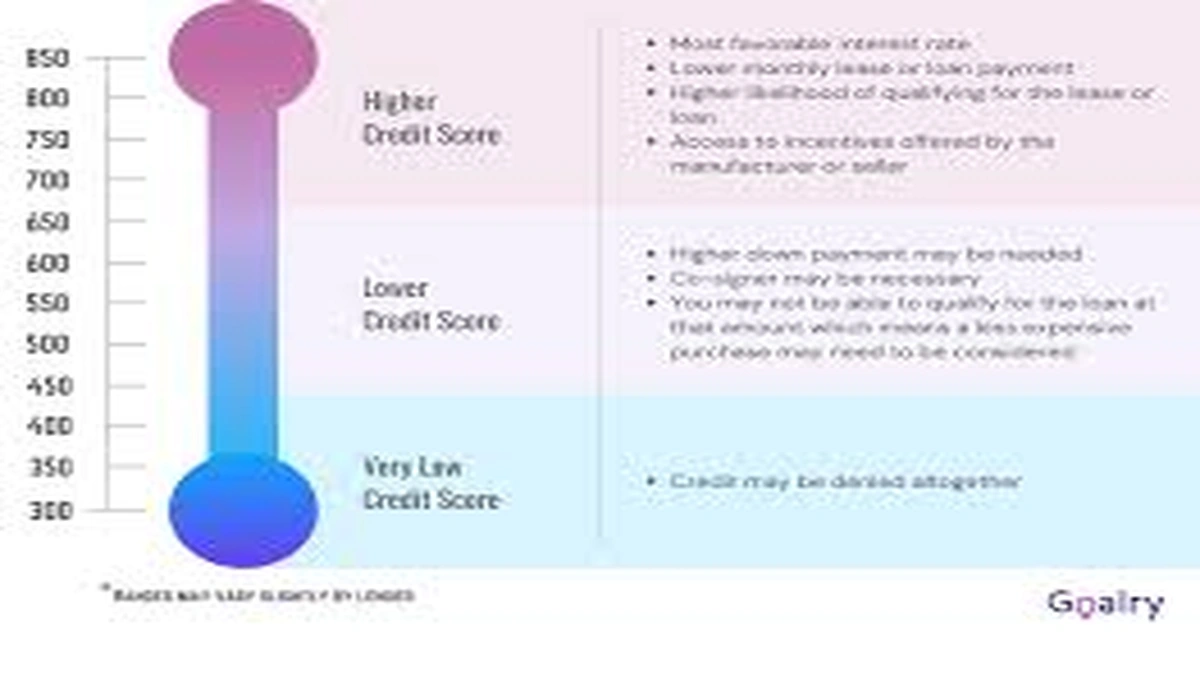
Before we dive into solutions, let’s quickly understand why getting a personal loan with a modest income can be challenging. Banks and other financial institutions operate on risk assessment. They look at your income as a primary indicator of your repayment capacity. If your income falls below a certain threshold – often ₹15,000 to ₹25,000 per month for an unsecured loan – you might automatically be flagged as high-risk. This isn’t personal; it’s just how their algorithms work. They also scrutinize your debt-to-income ratio, your existing liabilities, and, crucially, your credit score . A lower income might also mean a shorter credit history or an inability to maintain a high savings balance, all of which impact your perceived reliability. This is where understanding yourcredit scorebecomes vital, as it’s a snapshot of your financial responsibility.
The standard criteria for low income personal loan eligibility often involve a stable job, a decent salary, and a clean repayment record. For many, especially those working in the informal sector or as freelancers, meeting these rigid criteria can feel like an uphill battle. But don’t despair! This is where we start thinking outside the traditional box.
The “How-To” Playbook | Your Step-by-Step Guide to Securing a Loan
Alright, let’s get practical. Here’s how you can strategically approach getting a personal loan , even when your income isn’t sky-high:
Step 1 | Assess Your Eligibility & Needs – Be Realistic
First things first, figure out exactly how much you need and, more importantly, how much you can realistically afford to repay. Don’t borrow more than necessary. Use online EMI calculators to understand what your monthly EMI would look like. This also helps you understand your own repayment capacity, which is crucial for long-term financial stability . Knowing your limits will prevent you from falling into a debt trap later.
Step 2 | Gather Your Documents – Beyond the Salary Slip
Banks primarily ask for income proof , but what if you don’t have a formal salary slip or your income varies? This is where you get creative with your documents required for low income loan . Think about alternative proofs:
- Bank Statements: Consistent deposits, even if small, show financial activity.
- ITR Filings: If you file income tax returns, even for modest amounts, these are strong proofs of income.
- Business Proof (for self-employed): GST registration, shop establishment license, invoices, or even a detailed ledger of your earnings. This is particularly relevant for a personal loan for self-employed low income individual.
- Rent Agreements/Utility Bills: Show stability of residence.
- Aadhaar Card & PAN Card: Universal identity and tax proofs.
The key is to present as much verifiable financial activity as possible to demonstrate your ability to earn and manage money, even if it’s not a fixed monthly salary from a single employer.
Step 3 | Explore Different Avenues – Don’t Just Stick to Big Banks
While large commercial banks might have stringent minimum income criteria, India has a diverse financial landscape. Consider:
- Non-Banking Financial Companies (NBFCs): Players like Bajaj Finserv, HDB Financial Services, or Fullerton India often have more flexible eligibility criteria and are more willing to consider varied income proofs. Many offer an instant personal loan for low salary earners, albeit sometimes at higher interest rates.
- Co-operative Banks: These local banks often have a better understanding of the community’s financial needs and might be more approachable.
- Microfinance Institutions: Specifically designed to cater to low-income individuals and small businesses, often with group lending models.
Step 4 | Consider Secured Options – Leverage Your Assets
If an unsecured loan is proving difficult, a secured loan can be your best friend. This means offering collateral. Common options include:
- Gold Loans: Extremely popular in India, gold loans are quick to process, require minimal documentation, and are often available even with a low income. Lenders are more comfortable as their risk is covered by your gold. You can learn more about specific options for repayment via our guide on gold loan repayment options explained.
- Loan Against Fixed Deposits (FDs) or Life Insurance Policies: If you have these investments, you can get a loan against them at very favorable interest rates, typically higher than the FD interest but much lower than a personal loan.
These options significantly improve your chances because the lender has security, reducing their risk considerably.
Step 5 | Improve Your Credit Health – It’s a Marathon, Not a Sprint
Even if your credit score isn’t stellar right now, you can improve it. Start with small, manageable steps. Apply for a secured credit card, ensure timely repayment of any existing loans (even small ones like mobile EMIs), and avoid applying for multiple loans simultaneously. A good credit score is your passport to better loan offers in the future, especially if you’re dealing with a history ofbad credit personal loan Indiascenarios.
Smart Strategies for the Low Income Earner
Beyond the steps above, here are some clever tactics to boost your loan prospects:
Apply for a Smaller Loan Amount
Lenders are more likely to approve a smaller loan amount, as it represents lower risk. If you only need ₹20,000-₹50,000, explicitly apply for a small personal loan without salary slip requirement, emphasizing your ability to repay that specific amount.
Consider a Joint Application
If you have a spouse, parent, or sibling with a stable income and a good credit history, applying for a joint loan can significantly increase your approval chances. Their income and credit profile can offset your lower income.
Focus on Building a Repayment History
Even if you start with a smaller, secured loan or even a consumer durable EMI, diligently paying it back on time builds a positive repayment history. This history is gold for future loan applications.
Address Personal Loan for Self-Employed Low Income Specifically
If you’re self-employed, create a clear, concise summary of your business, your monthly earnings, and your future prospects. Show the lender you have a viable income stream, even if it’s not a fixed salary. Professionalism and clarity go a long way.
Beyond Traditional Loans | Exploring Alternatives
Sometimes, a traditional personal loan isn’t the only answer, or perhaps not even the best one. Here are some alternatives to personal loans low income individuals can explore:
- Peer-to-Peer (P2P) Lending Platforms: Websites like LenDenClub, Faircent, or RupeeRedee connect borrowers directly with individual lenders. These platforms often have more flexible criteria than traditional banks, though interest rates can sometimes be higher.
- Advance Salary Apps: Several apps in India offer instant small advances on your salary, which are essentially short-term, small-ticket loans. They are convenient for immediate, minor cash needs.
- Government Schemes: Look into government-backed schemes designed to support small businesses or specific demographics, such as the Mudra Yojana for micro-enterprises.
FAQs | Your Burning Questions Answered
Can I get a personal loan if my salary is less than ₹15,000?
Yes, it’s possible, but it might be more challenging through traditional banks. You’ll likely need to explore NBFCs, microfinance institutions, secured loan options like gold loans, or consider a joint application. Emphasizing consistent bank statements or ITR filings can also help.
What if I don’t have a formal salary slip?
Many self-employed individuals or those in the informal sector don’t have salary slips. Instead, focus on providing comprehensive bank statements showing consistent income, your latest ITR filings, business registration documents (if applicable), and any other verifiable proof of earnings.
How does my credit score affect my chances?
Your credit score is a critical factor. A good score (typically 750+) indicates responsible financial behavior and significantly increases your chances of approval, even with a lower income. A poor score will make it much harder, potentially limiting you to secured loans or higher interest rates.
Are there any government schemes for low-income loans?
Yes, schemes like the Pradhan Mantri Mudra Yojana (PMMY) are specifically designed to provide credit to micro and small enterprises, often catering to individuals who might not qualify for traditional bank loans. Researching such schemes can open up new avenues.
What are the risks of taking a small personal loan?
Even a small personal loan without salary slip comes with risks. The primary one is high interest rates, especially from less regulated lenders. Always ensure you understand the full cost of the loan, including processing fees, and that you have a clear plan for timely repayment to avoid falling into a debt cycle and damaging your credit history.
Getting a personal loan with a low income in India isn’t about magic; it’s about strategy, persistence, and knowing where to look. It requires you to be proactive, present your financial story compellingly, and sometimes, be open to unconventional solutions. Remember, everyone deserves access to financial tools that can help them navigate life’s unexpected turns. With the right approach, you can absolutely secure the funding you need and move forward with greater financial stability . Don’t let a low income define your financial potential; instead, let it sharpen your resourcefulness.