
 By loan instaplayzone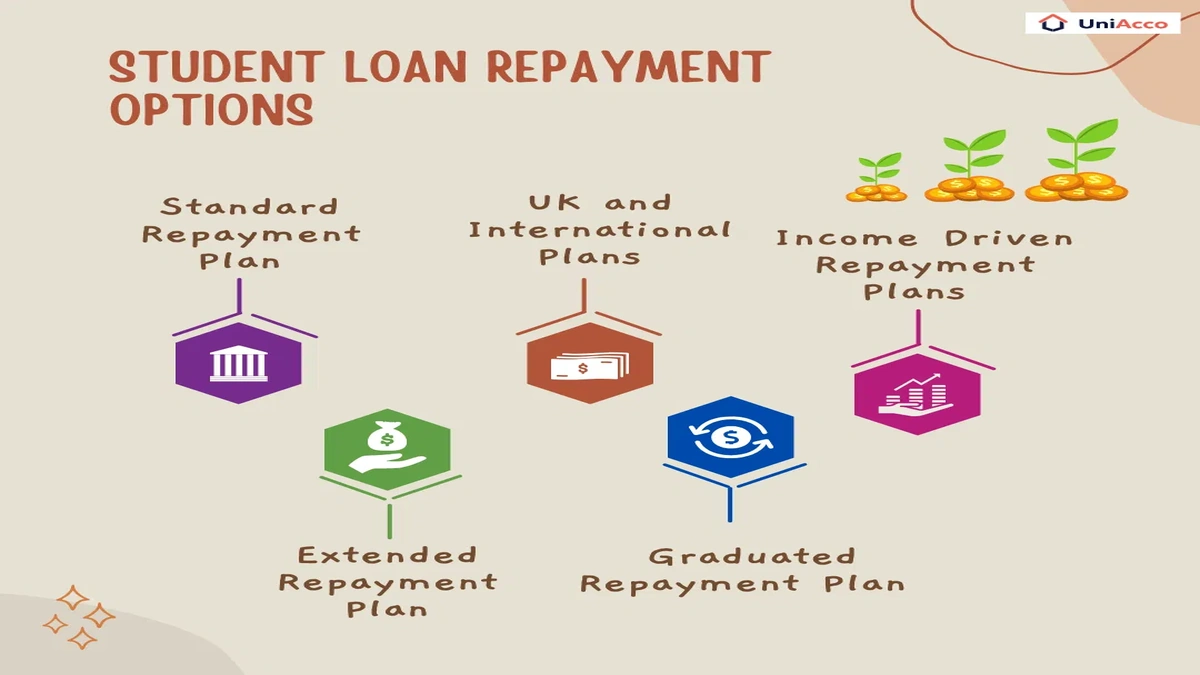
Let’s be honest, for anyone who’s navigated the labyrinthine world of higher education in the UK, the phrase “student loan” often conjures a cocktail of emotions: relief at having funded your degree, followed swiftly by a persistent, low-level hum of anxiety about the debt. It’s a constant companion for many graduates, a shadow stretching across their early careers. And amidst this, whispers of “forgiveness” often surface, a tantalizing thought that your financial burden might simply… disappear. But what’s the real story behind student loan repayment forgiveness UK eligibility ? And why is it crucial to understand the nuances now more than ever?
Here’s the thing: unlike some other countries, where active government programs might wipe out significant portions of student debt, the UK system operates on a different philosophy. It’s less about outright forgiveness and more about a carefully structured, time-limited obligation. Understanding this distinction isn’t just academic; it’s fundamental to your financial planning, your peace of mind, and ultimately, your future earning potential. I initially thought this was straightforward, but then I realized just how many misconceptions float around, leading to unnecessary stress or, worse, missed opportunities. So, let’s peel back the layers and truly understand what’s at play.
The UK’s Student Loan System | A Beast of Its Own (and Why “Forgiveness” is Tricky)
If you’ve studied in the UK since 1998, chances are you’re familiar with the income-contingent repayment (ICR) system. This isn’t a traditional commercial loan. Instead, your repayments are directly tied to how much you earn. You only start repaying once your income crosses a certain threshold, and the amount you pay is a fixed percentage (usually 9%) of your earnings above that threshold. What fascinates me is how many people don’t fully grasp the long-term implications of this design.
The system is managed by the Student Loans Company (SLC) , and depending on when you started your course, you’ll be on a different ‘Plan’. Most recent graduates from England and Wales (who started university from 2012 onwards) are onPlan 2 loans. Scotland and Northern Ireland have their own variations, and then there are postgraduate loans, too. Each plan has its own set of repayment thresholds UK and, crucially, its own rules for when the loan is finally written off. This isn’t just bureaucratic jargon; it directly impacts your financial future.
So, why isn’t ‘forgiveness’ a simple concept here? Because the government’s safety net is baked into the loan’s structure itself. If you don’t earn enough, you don’t repay. And if you never earn enough to repay the full amount, the loan eventually disappears after a set period. This isn’t an act of benevolence after years of struggle; it’s a pre-defined outcome of the loan agreement. It’s a significant difference from, say, the US system, where targeted forgiveness programs are often introduced as policy interventions.
The Truth About “Forgiveness”: When Your Debt Actually Disappears
Let’s get straight to the point: the closest thing to “forgiveness” in the UK system is the loan write-off period . This is the point at which your remaining student loan balance, regardless of how much you’ve repaid or how much interest has accrued, is simply cancelled. It’s a hard stop, a definitive end to your obligation.
For most students from England and Wales on Plan 2 loans (those who started university between 2012 and 2022), this write-off occurs 30 years after you become eligible to repay. Yes, three decades. That’s a long time to carry that debt, even if it is income-contingent. For older Plan 1 loans (pre-2012), it’s 25 years after you became eligible to repay, or when you turn 65, whichever comes first. And for Plan 4 (Scotland) and Plan 5 (England & Wales, for those starting courses from August 2023), the terms vary again. Postgraduate loans also have their own 30-year write-off period. This variation is why it’s so important to know which plan you’re on.
Beyond the time-based write-off, there are also provisions for death or permanent disability. In these tragic circumstances, the loan is cancelled. While these aren’t the scenarios anyone hopes for, they are part of the eligibility criteria for the loan to be wiped clean. The key takeaway here is that there aren’t typically broad, active programs saying, “We’re forgiving X percentage of everyone’s loans.” It’s a passive, time-based expiry.
Are You Eligible for a Write-Off? Understanding the Key Criteria
Determining your exact student loan repayment forgiveness UK eligibility hinges entirely on the specifics of your loan. The primary criterion, as we’ve discussed, is the passage of time. So, how do you figure out when your clock started ticking?
- Your Loan Plan: This is paramount. Check your Student Loans Company (SLC) account online. It will clearly state whether you’re on Plan 1, Plan 2, Plan 4, Plan 5, or a Postgraduate Loan.
- When You Became Eligible to Repay: This usually starts the April after you finish or leave your course. So, if you finished in June 2015, your 30-year clock (for Plan 2) would start in April 2016, making the write-off date April 2046.
- Your Residency Status: While you can live abroad, your loan still exists. The SLC expects you to make repayments based on your income in your new country. If you fail to do so, interest can accrue, and they can pursue repayment. However, the time-based write-off still applies, regardless of where you live, provided you’ve adhered to their rules for reporting income.
It’s vital to keep your details updated with the SLC. A common mistake I see people make is losing touch with their loan provider, especially if they’re not currently earning above the repayment thresholds UK . This can lead to issues down the line. Remember, the system is designed to be self-managing to a degree, but you still have a responsibility to engage with it. The financial burden of these loans can feel immense, but clarity on the rules offers a path to managing that stress.
Beyond the Write-Off | Navigating Your Repayment Journey
While the eventual write-off is a form of ‘forgiveness’, most graduates will be actively repaying their loans for a significant portion of their working lives. Understanding how to navigate this journey effectively is key. One area that often causes confusion is the interest rates student loans UK . Unlike commercial loans, these are often linked to inflation (RPI) plus a margin, meaning your loan balance can grow even if you’re making repayments, especially if your income is below the threshold. It’s a psychological hurdle, seeing your balance increase despite your best efforts.
So, should you consider early repayment? This is a highly personal decision. For some, the psychological relief of being debt-free sooner outweighs the financial implications. For others, particularly those on Plan 2 loans with high balances, repaying early might not be the most financially savvy move. Why? Because if you’re unlikely to clear your loan within the 30-year period anyway, any extra payments you make are essentially ‘lost’ money that would have been written off. It’s a complex calculation, often dependent on your expected lifetime earnings. If you’re considering options likepersonal loansto manage other debts, or even exploringalternative financing optionsfor major life purchases, it’s worth factoring in your student loan strategy.
The ongoing cost of living crisis has only amplified the pressure on graduates, making every penny count. Understanding the mechanics of your student loan, from interest accrual to repayment thresholds, empowers you to make informed decisions about your finances rather than simply letting the system dictate your path.
The Future of UK Student Loans | What Reforms Could Mean for You
The landscape of student finance in the UK is never truly static. Governments routinely review and implement student finance reforms , often in response to public pressure, economic shifts, or changing educational priorities. The most recent significant change, affecting students starting courses from August 2023, introduced Plan 5 loans. These new loans come with a longer 40-year write-off period and a lower repayment threshold, significantly altering the long-term financial burden for future generations of students.
What does this signal? It suggests a continued trend towards making graduates contribute more over a longer period, rather than moving towards broader forgiveness programs. While the Department for Education continually assesses the system, it’s generally with an eye towards sustainability and fairness for the taxpayer, which often translates to tightening repayment terms rather than loosening them. This context is crucial when you hear calls for ‘student loan forgiveness’ – it’s often a political talking point, not a reflection of imminent policy change within the UK’s current framework. Staying informed about these potential changes is paramount, as they can directly impact your repayment strategy and the ultimate longevity of your debt.
Frequently Asked Questions About UK Student Loan Forgiveness
What is the main difference between UK and US student loan forgiveness?
In the UK, ‘forgiveness’ primarily refers to the automatic write-off of your remaining loan balance after a set period (e.g., 30 years for Plan 2) or in cases of death/disability. It’s an inherent part of the loan agreement. In the US, while there are some automatic write-offs, there are also various active, targeted forgiveness programs (e.g., Public Service Loan Forgiveness) that require specific actions or employment types.
Will my UK student loan ever be truly ‘forgiven’ before the write-off period?
Generally, no, unless you die or become permanently disabled. There are no widespread, active government programs in the UK that allow for early ‘forgiveness’ of student loans based on financial hardship or other criteria, unlike some systems where this might be possible.
How do I know which student loan plan I’m on?
The easiest way is to log into your online account with the Student Loans Company (SLC). Your loan statement and account details will clearly state which plan (Plan 1, 2, 4, 5, or Postgraduate Loan) you are currently on. This is crucial as each plan has different repayment thresholds and write-off periods.
What happens if I move abroad with my UK student loan?
Your loan doesn’t disappear. You are still required to make repayments based on your income. You must inform the SLC of your move and provide details of your income. They will then calculate your repayments based on the equivalent income threshold and exchange rates for your country of residence. Failure to comply can result in penalties.
Can I consolidate my UK student loan?
No, not in the traditional sense like you might with other debts. UK student loans are not eligible for private consolidation loans. They are already consolidated into one loan type (e.g., Plan 2) through the SLC. You cannot combine them with other debts or switch to a different commercial lender to get a lower interest rate, as the terms are set by the government.
So, there you have it. The world of student loan repayment forgiveness UK eligibility isn’t about grand gestures or sudden debt relief packages, but rather a carefully calibrated system designed to manage the financial burden over a significant portion of your adult life. Understanding the write-off periods, the nuances of your specific loan plan, and the ongoing reforms isn’t just about knowing the rules; it’s about empowering yourself to make smarter financial decisions. It’s about shifting from a passive acceptance of debt to an active strategy for managing it, giving you a clearer path towards your financial goals. Stay informed, stay engaged with the SLC, and don’t let the complexity deter you from taking control of your future.